All Categories
Featured
Table of Contents
It's a crucial tool for making sure every dollar bought possessions is working as tough as possible for your business. While typically associated with retail and manufacturing, Stock Turnover is a vital for any business handling physical or even digital possessions. It determines how lots of times a business offers and changes its stock over a given period, revealing how effectively it manages its capital bound in inventory.
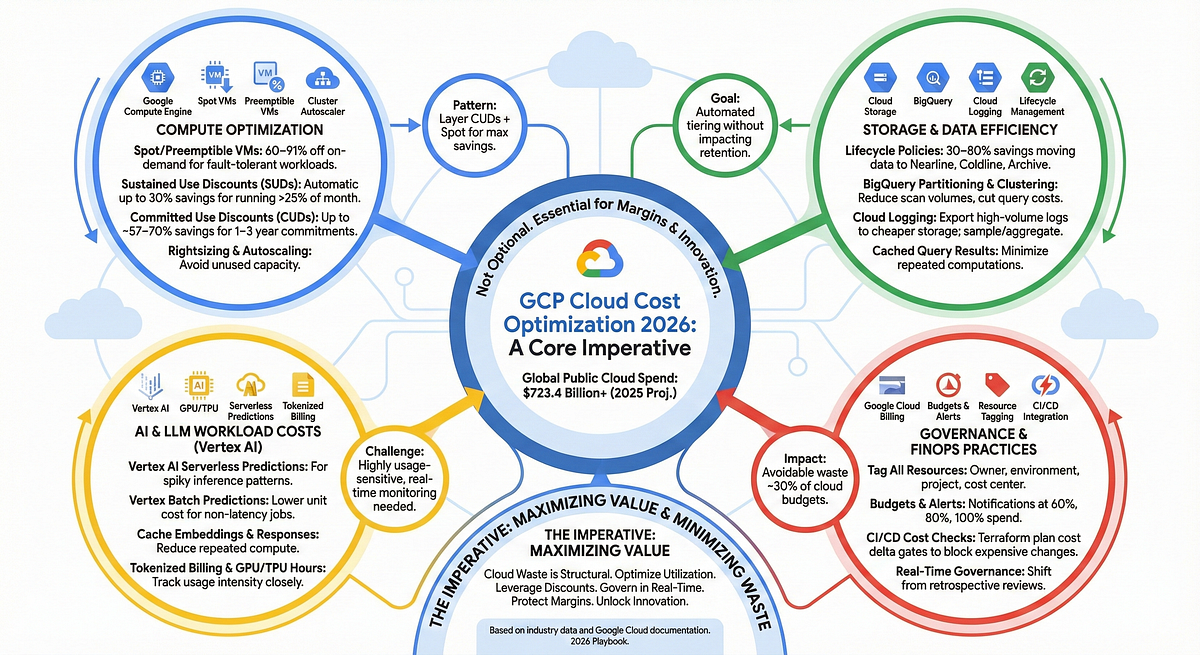
Scaling Enterprise Cloud Costs in 2026It's identified by dividing the Cost of Goods Sold (COGS) by the Typical Stock Value. This ratio highlights how quickly inventory is converted into profits. Straight affects money circulation, storage costs, and success. The formula (COGS/ Typical Stock) provides a powerful indication of functional health. For example, fast-fashion huge Zara attains an impressive turnover of over 12 times per year by lining up production closely with real-time sales data.
Start by computing a standard turnover ratio for your entire company. Then, segment the analysis by item classification, place, and even specific SKU to recognize which items are moving quickly and which are tying up capital. This granular view is important for making targeted improvements. Avoid the trap of going for the highest possible turnover at all costs.
Walmart preserves a turnover rate of around 8-9 times each year through its legendary supply chain management, guaranteeing items are offered without excessive overstock. Examining this metric helps you pinpoint ineffectiveness in your buying and sales cycle. A declining turnover rate might be an early warning indication of shifting market need or internal procedure traffic jams, allowing you to take corrective action before it considerably affects your bottom line.
This end-to-end metric supplies a holistic view of your whole satisfaction chain, encompassing order processing, production, and last delivery. A much shorter lead time straight associates with greater consumer fulfillment and can be an effective competitive differentiator. Popularized by e-commerce giants and lean production pioneers, this metric reveals traffic jams that annoy customers and include unnecessary costs.
The core elements of lead time consist of: The duration from order invoice to when it is all set for fulfillment. The time it requires to produce the product or choice and pack it from stock. The transit time from your facility to the customer's doorstep. Computing the overall preparation (Order Processing + Production + Delivery) offers a clear standard for enhancement.
Improving Enterprise Efficiency Performance and ROI
Fast-fashion brand name Zara keeps a remarkable 2-3 week lead time from preliminary style to products hitting shop shelves. This initial analysis should be segmented by item line or customer type, as high-value clients or intricate orders might have different lead time profiles.

You may discover that 80% of your lead time is invested waiting for a single manual approval or a sluggish information transfer in between systems, which are typically fast wins to resolve. For accounting and law companies, this metric can be adjusted to measure the time from client engagement to last deliverables.
Trustworthy systems are essential; making sure continuous access to customer data is vital for maintaining short preparation and is a core element of efficient cloud organization connection. Communicating sensible timelines and providing clients with regular status updates throughout the process builds trust and handles expectations, turning operational effectiveness into a concrete customer care advantage.
From the granular focus of Total Devices Effectiveness (OEE) and Cycle Time to the wider viewpoints of Labor Efficiency and Inventory Turnover, these KPIs create a comprehensive and actionable roadmap for continuous enhancement and sustained development. They are the diagnostic tools that enable you to move beyond guesswork and impulse, empowering you with the unbiased information needed to make strategic choices.
The data points you collect are not endpoints; they are starting points for essential conversations. They help you challenge long-held assumptions about "the way things are done" and empower your teams to pinpoint waste, determine traffic jams, and innovate with self-confidence. Mastering these metrics suggests embedding them into the very material of your functional culture.
Improving Infrastructure Asset Metrics and Governance
Commit time to accurately determine each relevant metric to produce a clear, data-backed standard for all future efforts. Prevent the temptation to revamp whatever at the same time. Target a couple of key areas for enhancement, such as minimizing Client Order Preparation by 5% or improving Very first Pass Yield by 3%, and build momentum from these preliminary successes.

Latest Posts
Core Benefits of Enterprise Cost Governance
Analyzing 2026 Vs. Traditional Cloud Asset Governance
Top Steps for Modern Budget Planning